
Artists Who Turn Grief Into Beauty: The Healing Power of Art After Loss
Discover how artists transform grief into beauty through painting, music, and sculpture. Explore the healing power of art and how creativity brings peace after loss.
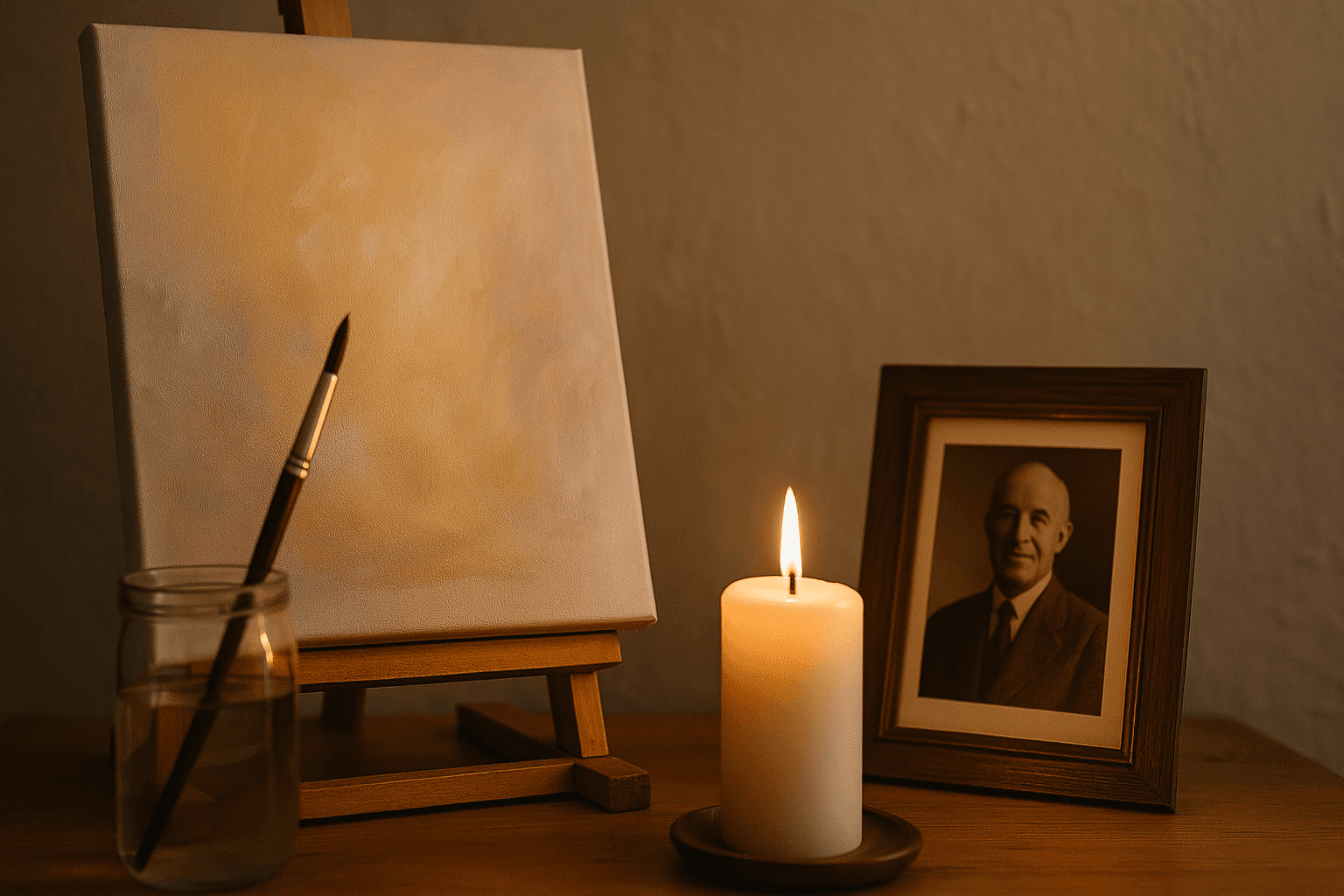
Turning Pain Into Creation
Loss can break us open — but it can also invite us to create.
Throughout history, artists have used grief as both subject and catalyst, transforming sorrow into paintings, songs, poems, and sculptures that remind us of love’s endurance.
For many, art becomes a language for what can’t be said aloud.
Each brushstroke, lyric, or gesture becomes a release — a bridge between suffering and beauty.
Grief doesn’t disappear through art; it evolves.
Art as a Universal Form of Healing
The act of creating engages both sides of the brain — logic and emotion — allowing people to process loss through color, texture, sound, and movement.
When words fail, art steps in.
Art therapists often describe creative expression as a way to externalize pain: to move what’s heavy inside into something tangible.
It’s not about skill or perfection — it’s about transformation.
Drawing, painting, sculpting, or even arranging flowers gives grief a shape, and through that shape, a kind of peace.
Artists Who Created From Grief
Claude Monet painted the gardens at Giverny following the death of his wife Camille — his brushstrokes both frantic and gentle, mirroring the rhythm of mourning and recovery.
Frida Kahlo, through her self-portraits, expressed physical and emotional pain with vivid honesty. Her art didn’t conceal grief — it confronted it, proving that beauty can live alongside suffering.
Eric Clapton’s “Tears in Heaven”, written after the loss of his young son, became one of the most universally recognized songs of remembrance — a melody that connects generations through shared empathy.
And in countless memorial walls, quilts, and public art installations, communities continue to use creativity to turn loss into legacy — transforming absence into collective love.
Why Creating Feels Healing
When we engage creatively, the brain releases dopamine, the neurotransmitter associated with reward and pleasure.
This doesn’t erase sadness — but it provides moments of balance, calm, and control within emotional chaos.
Making art allows the griever to witness their own strength. A blank page becomes a mirror, reflecting resilience, not just pain.
In that moment of creation, grief shifts from something that happens to us to something we can shape.
Even simple acts — like sketching a memory, writing a poem, or listening to music that resonates — remind us that we are still capable of creating beauty, even from heartbreak.
The Many Forms of Creative Remembrance
You don’t have to be an artist to create something meaningful after loss.
Creativity can take endless forms:
Painting or drawing what you miss most.
Making a photo collage or digital tribute.
Writing poetry, songs, or journal entries.
Creating a garden in their honor.
Crafting jewelry or candles that hold personal meaning.
Each piece becomes both expression and tribute — proof that love, once given, continues to inspire even in absence.
From Private Expression to Shared Connection
Many who create from grief later find comfort in sharing their work.
An exhibition, song performance, or social post can resonate deeply with others who mourn, sparking recognition and belonging.
Art unites. It reminds us that grief is not isolation — it’s humanity.
When we witness someone else’s creation born of pain, we recognize our own story reflected back.
Through art, loss becomes collective — a shared journey toward understanding and renewal.
The Artist Within Us All
At Honoring Lifetimes, we believe everyone carries the potential to transform grief through creativity.
You don’t need brushes or a studio — you need presence, courage, and the willingness to feel.
In every stroke, every word, every sound, love continues.
Art becomes not just remembrance, but resilience — a living dialogue between sorrow and beauty.
“When we create, we do not escape our grief — we give it a voice, and in doing so, we find our own again.”
You might also like
From Funerals to Celebrations: The Shift Toward Positivity in Grieving
From Funerals to Celebrations: The Shift Toward Positivity in Grieving
The way we approac
Read More
Why More Families Are Choosing Celebrations of Life Over Traditional Funerals
Why More Families Are Choosing Celebrations of Life Over Traditional Funerals
In recent y
Read More
Celebrations of Life in Wine Country: Beauty, Meaning and Setting
Celebrations of Life in Wine Country: Beauty, Meaning and Setting
There are few places mo
Read More