
From Mourning Clothes to Modern Dress: How Attire at a Funeral Has Evolved
Explore how funeral attire has evolved from strict Victorian mourning clothes to modern, personalized dress. Learn how fashion, culture, and emotion shape what we wear to say goodbye.
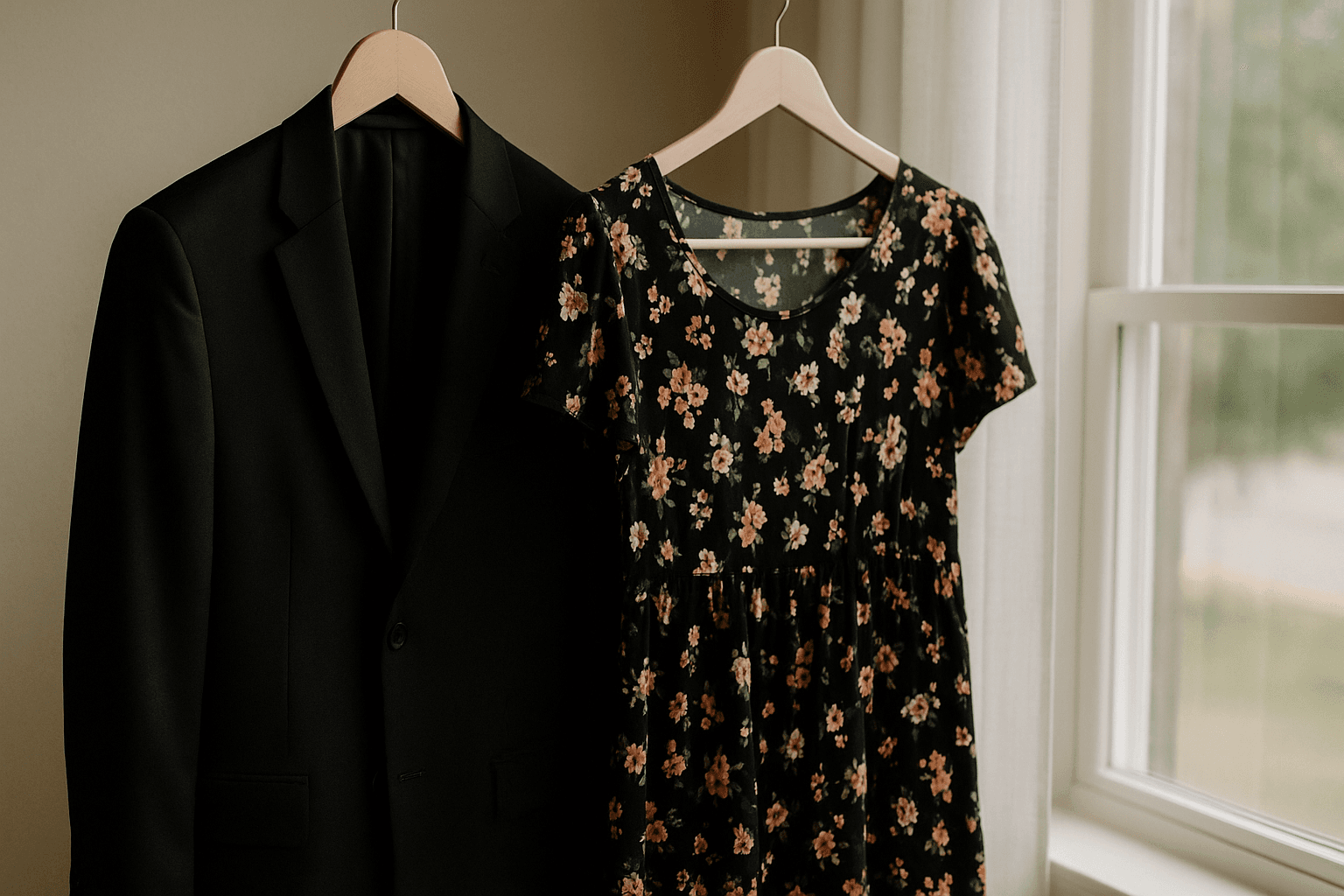
What We Wear to Say Goodbye
Clothing has always been more than fabric — it’s language. It speaks when words fail, showing who we are, what we believe, and what we feel.
At funerals, attire serves a deeply emotional purpose. It marks respect, remembrance, and reverence. But it also reflects the culture of its time — evolving as society’s understanding of death, grief, and identity has changed.
Once, to mourn meant to dress a certain way — visibly, formally, and for a long time. Today, attire is more personal, reflecting not just loss but love, individuality, and sometimes even joy.
The story of mourning clothes is, in many ways, the story of how grief itself has evolved.
The Victorian Era: Grief in Black and Crepe
In the 19th century, mourning had a strict dress code — particularly in Victorian England and America.
Queen Victoria, after the death of Prince Albert in 1861, famously wore black for the rest of her life. Her influence shaped a culture where mourning was as visible as it was emotional.
Widows were expected to wear heavy black crepe for up to two years, often covering mirrors and avoiding jewelry except jet or onyx. Men wore black armbands or cravats. Even children dressed in subdued tones.
Clothing told the world, “I am grieving.”
These garments weren’t just custom — they were emotional armor, a signal that sorrow deserved space and respect.
Early 20th Century: Simplicity and Subtlety
As the world modernized, so did mourning attire. By the 1920s and 1930s, strict rules began to relax.
Grieving women still wore black, but fabrics became lighter, silhouettes more practical. The Great Depression and two World Wars made elaborate mourning traditions seem out of step with everyday hardship.
Practicality took precedence over ritual. People wore black or navy to funerals but rarely observed months-long public mourning. Grief became more private — and so did the clothing that expressed it.
In many ways, this shift marked the beginning of modern mourning — where emotion lived within, rather than being performed outwardly.
Mid-Century to Modern Day: From Uniform to Expression
By the mid-20th century, funeral attire reflected a more mobile and diverse society.
Black remained the traditional color of respect, but strict adherence faded.
The 1960s and 1970s brought cultural openness and individuality — even funerals began to reflect personal style rather than rigid formality.
Today, what one wears to a funeral depends less on tradition and more on the person being honored.
For some, that means the classic black dress or suit. For others, it means color — a favorite shirt, a bright scarf, or even jeans if the family says, “Come as you are.”
At celebrations of life, floral prints, soft pastels, or attire that reflects the loved one’s spirit are common. What matters most now is authenticity — dressing not for grief’s appearance, but for love’s memory.
Cultural Variations and Timeless Symbolism
Across the world, funeral attire still carries deep cultural meaning.
In many Asian cultures, white remains the color of mourning, symbolizing purity and the cycle of rebirth.
In parts of Africa, bold patterns and color represent the vibrancy of a life well lived.
In Latin American and Indigenous traditions, attire often blends spirituality and heritage, incorporating symbols of both mourning and celebration.
Even within Western culture, black endures — not just as color, but as tone. It conveys solemnity, reflection, and respect, even as styles evolve.
The Psychology of Mourning Attire
Why does what we wear matter so much in grief?
Psychologists suggest that clothing provides both structure and symbolism. It gives form to feelings that are otherwise invisible.
Putting on a black dress or suit can create a sense of ritual — a moment of transition between ordinary life and sacred remembrance.
For many, wearing something belonging to the deceased — a watch, scarf, or piece of jewelry — provides tangible connection. These acts bridge absence and presence, allowing love to remain close.
Mourning attire is less about fashion than emotion — a visible way of saying, “This moment matters.”
What We Wear Now: Honoring the Individual
Modern funerals and celebrations of life often emphasize personalization over tradition.
Families may ask guests to wear the loved one’s favorite color, a Hawaiian shirt, or bright floral attire that reflects their joyful spirit.
This evolution doesn’t diminish respect — it redefines it.
To dress in someone’s memory is to celebrate who they truly were. In this, modern attire honors not only the person but the relationship — love remembered in fabric and color.
Even the absence of black can still carry reverence when chosen intentionally. Whether formal or casual, monochrome or vivid, what we wear continues to say, “I remember you. You mattered.”
From Ritual to Reflection
At Honoring Lifetimes, we believe that mourning attire — past or present — serves a universal purpose: to honor life, hold memory, and help the heart make sense of goodbye.
From heavy Victorian crepe to linen dresses and open-collar shirts, every generation has found its own way to wear loss with dignity.
What’s changed is not the meaning — but the freedom to express it.
“Grief doesn’t always wear black anymore — but it always wears love.”
You might also like
From Funerals to Celebrations: The Shift Toward Positivity in Grieving
From Funerals to Celebrations: The Shift Toward Positivity in Grieving
The way we approac
Read More
Why More Families Are Choosing Celebrations of Life Over Traditional Funerals
Why More Families Are Choosing Celebrations of Life Over Traditional Funerals
In recent y
Read More
Celebrations of Life in Wine Country: Beauty, Meaning and Setting
Celebrations of Life in Wine Country: Beauty, Meaning and Setting
There are few places mo
Read More