
How Different Cultures Celebrate Life and Death: Rituals, Meaning and Connection
Explore how people around the world honor both life and death—with rituals that reflect diverse beliefs, values and cultural traditions. Learn what we can gain by understanding these practices.
Introduction
Death is a universal certainty, yet how human communities respond to it is astonishingly diverse. In many cultures, rather than treating death purely as a somber end, it is embraced as part of a larger cycle: the passage from one form of existence to another, an occasion to reflect on legacy, to honor memory and to celebrate the life that preceded the loss. By exploring a selection of global practices, we deepen our understanding of how life and death are woven together in ritual, and how we might honor our own loved ones with richer meaning.
Life, Death and the Continuum
In a great many traditions, death is not treated as a sudden full stop but as a transition. For example, some Eastern philosophies regard death as the soul’s journey onward rather than simply the end of being.
This contrast with some Western cultural norms where death is often hidden, postponed or framed exclusively as tragedy.
The insight for those of us planning or reflecting on memorials is that death-rituals may simultaneously mourn and celebrate, anchor the living and remember the departed.
Rituals from Around the World
Mexico – “Día de los Muertos”
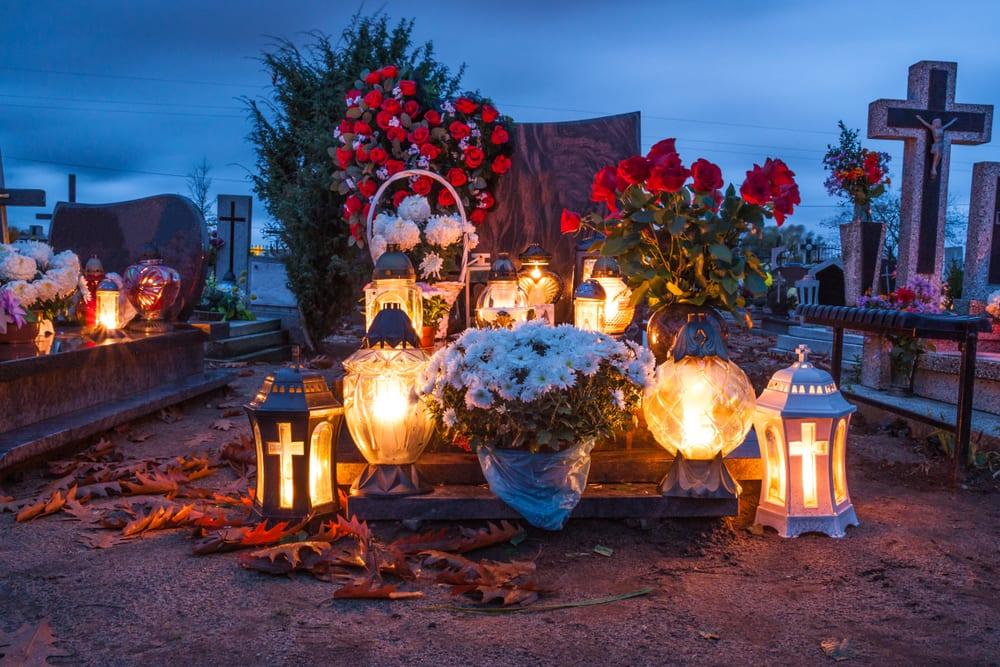
In Mexico the Day of the Dead is a vibrant occasion where families set altars, bring offerings, decorate graves, and in effect “welcome back” the souls of their deceased loved ones.
Rather than concealing death, the ritual gives space for memory, sharing, symbolism (marigolds, candles, food) and acknowledgement of continuing connection.
This kind of ritual invites us to consider memorials not just as formal ceremonies but as ongoing acts of remembrance and presence.
Ghana – Fantasy Coffins and Funeral Celebrations
In Ghana some funerals take on imaginative forms (such as “fantasy coffins” shaped like airplanes, fish or cars) and include music, dance and communal feasting.
These practices emphasize identity, the life one led, and the community’s recognition of it. Rather than a quiet burial and goodbye, they acknowledge the unique life and send it off in style.
For memorial planning, this suggests possibilities: rituals that reflect personal story, profession, passion — not just generic “funeral”.
Indonesia – Torajan people of Sulawesi
Among the Torajan people of Indonesia, the funeral can be the most important social moment of someone’s life. It may be held weeks or years after death in order to prepare appropriately, and involves music, dance, slaughter of buffalo (symbolic), and the idea that the deceased is still among the living until the ceremony is complete.
Here the ritual honors the dead, allows the community to support the bereaved, and brings the living together. It invites us to think: how might a ceremony serve both the departed and the living community?
China – Qingming Festival (Tomb Sweeping Day)
In China, families visit ancestral tombs, sweep graves, offer food or incense, and bring fresh flowers in early April.
This ritual highlights respect, continuity of lineage, and the living’s acknowledgement of past generations. For memorial thinking, it suggests ideas of regular commemoration (anniversaries) rather than single events.
What These Rituals Teach Us
There are several shared themes that emerge:
Connection across the generations – Many ceremonies emphasize the bond between living and dead, ancestor and descendant.
Celebration of the person’s life, not just mourning the death – Music, dance, food, color can be part of what honors the journey.
Community involvement – Funerals and memorials are rarely private in these cultures; they involve the village, extended family, friends.
Rituals paced over time – Some cultures delay the funeral, hold repeated remembrances, or mark anniversaries rather than just one final event.
Symbolism and meaning – Animals, special coffins, food, altars, offerings: these all carry meaning about identity, journey, values.
Bringing It Home: Your Own Celebration of Life
When we apply these lessons to designing or planning a memorial, we can ask:
How can the event reflect the unique life of the person (their work, passions, relationships) rather than a generic format?
How can we involve the community of friends/family so the ritual supports not just the person but those left behind?
Are there elements of ritual we can introduce to keep remembrance alive over time (anniversaries, gatherings, smaller acts)?
Can we frame the ceremony not only as goodbye but as honor, legacy, and connection?
How might we incorporate meaningful symbols/objects—flowers, songs, locations—that speak to the person’s life and culture?
By drawing from diverse traditions, our memorial practices gain depth, relevance and emotional resonance. They become more than formal farewell: they become living honor.
While every culture has its own beliefs, its own rhythms, one thing becomes clear: death does not always signal the end of story. For many, it signals transformation, continuity, honor. By looking outward at how others mark this passage, we open possibilities for how we ourselves mark it with dignity, meaning and care. The life we celebrate shapes the death we remember.
You might also like
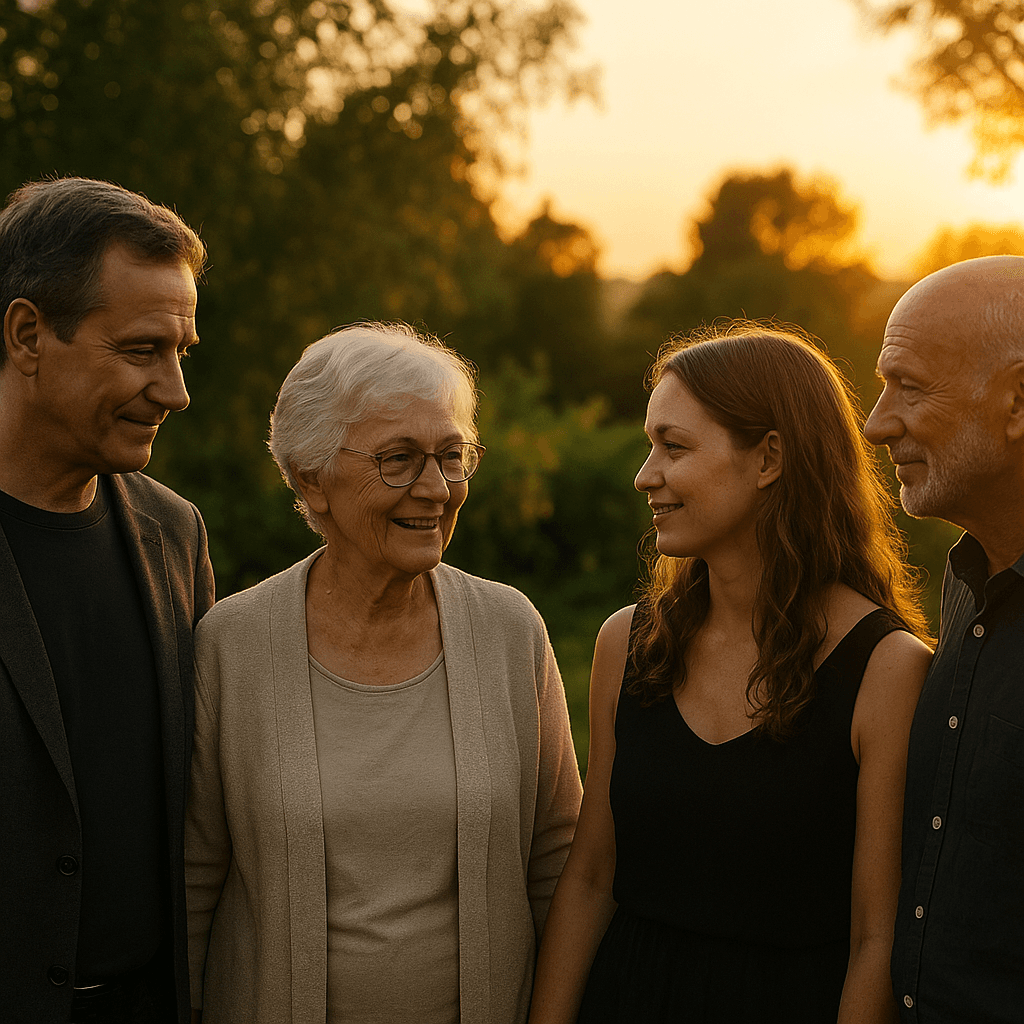
From Funerals to Celebrations: The Shift Toward Positivity in Grieving
From Funerals to Celebrations: The Shift Toward Positivity in Grieving
The way we approac
Read More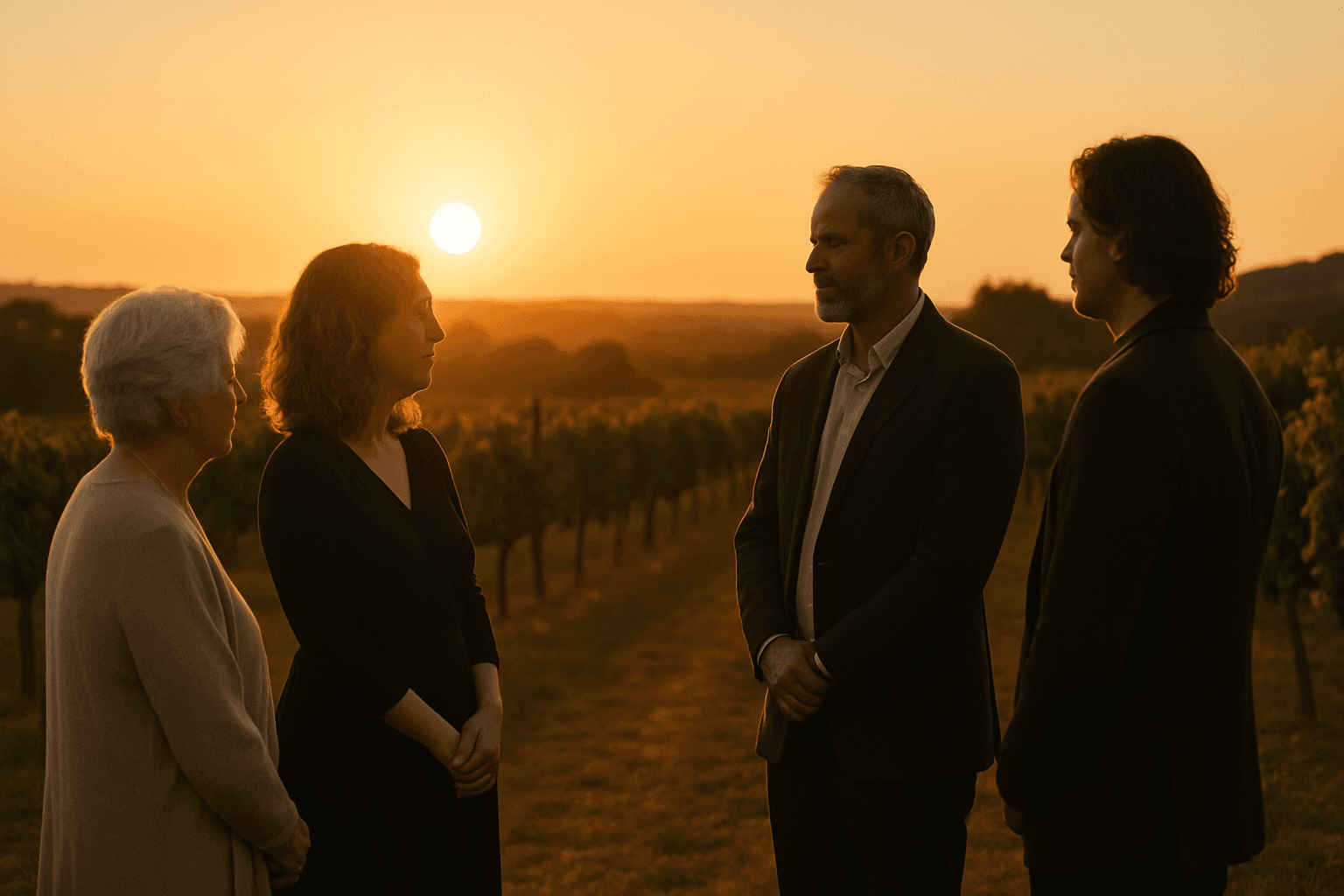
Why More Families Are Choosing Celebrations of Life Over Traditional Funerals
Why More Families Are Choosing Celebrations of Life Over Traditional Funerals
In recent y
Read More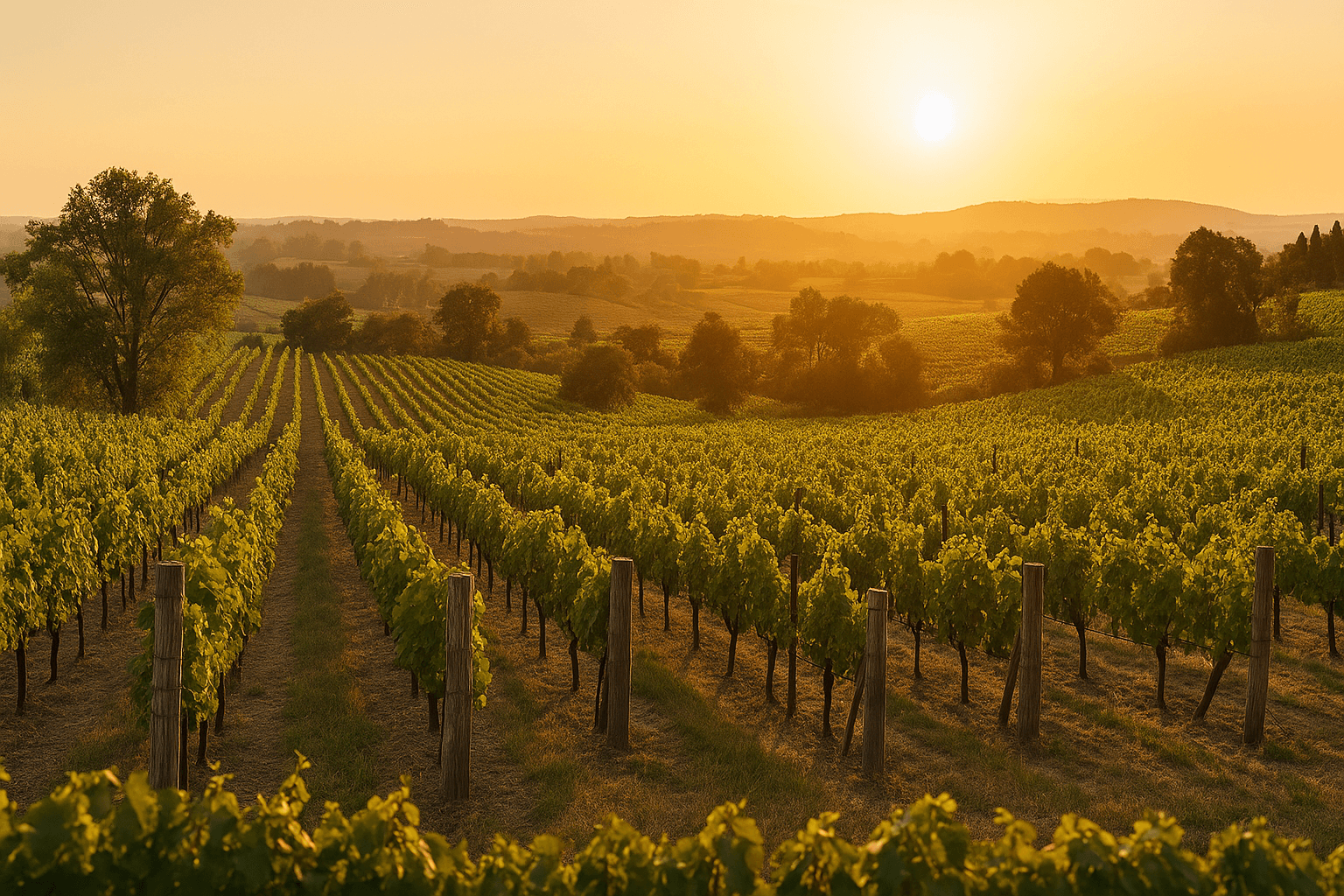
Celebrations of Life in Wine Country: Beauty, Meaning and Setting
Celebrations of Life in Wine Country: Beauty, Meaning and Setting
There are few places mo
Read More