
Mind & Body Support During Grief: Holistic Approaches to Healing After the Service
Explore holistic approaches to healing after loss. Learn how mindfulness, movement, nutrition, and self-care can nurture both mind and body during grief.

Healing Beyond the Service
When the memorial service ends and loved ones return home, the quiet can feel overwhelming. The world moves forward, yet grief lingers — not just in the heart, but in the body.
Sleep changes. Appetite shifts. The mind races, while energy fades.
This is why holistic healing matters.
Healing from grief isn’t only emotional; it’s physical, mental, and spiritual.
Supporting both mind and body helps us gently restore balance, one small moment at a time.
Understanding Grief as a Whole-Body Experience
Grief is not just an emotion — it’s a full-body response to loss.
You may notice tension in your shoulders, fatigue, changes in digestion, or a sense of mental fog. These are natural effects of stress and sorrow.
Holistic healing means caring for every layer of your being — mind, body, and spirit — through connection, awareness, and self-compassion.
It’s not about “getting over” grief; it’s about creating space for healing to unfold gently, in its own rhythm.
Mindful Practices for Emotional Balance
Mindfulness helps bring the scattered pieces of grief into stillness.
It teaches us to observe emotion rather than be consumed by it.
Gentle Mindful Practices:
Breathing Exercises: Try the “4-7-8” breath — inhale for 4, hold for 7, exhale for 8. It calms the nervous system.
Meditation: Even five minutes of quiet reflection can ease anxiety and promote clarity.
Journaling: Write freely without judgment — express sadness, gratitude, and memories.
Visualization: Picture a place of peace — a beach, forest, or your loved one’s favorite spot — and breathe there for a few moments.
Mindfulness doesn’t erase pain, but it helps you carry it with gentleness.
Healing Movement and the Power of the Body
Grief can settle in the muscles, creating tightness and fatigue. Movement releases emotion and restores circulation — not just physically, but emotionally.
Holistic Movement Options:
Yoga for Grief: Focuses on slow, restorative poses and deep breathing.
Walking in Nature: Gentle outdoor walks reconnect the body with calm and life’s natural rhythm.
Tai Chi or Qigong: Flowing movements that balance energy and reduce stress.
Dance or Free Movement: Express emotion through rhythm — it’s healing to move without words.
Listen to your body; movement doesn’t need to be intense. Sometimes, the most powerful step forward is a small one.
Nutrition & Rest for Renewal
The body’s response to loss can affect digestion, appetite, and sleep.
Gentle attention to nourishment helps strengthen resilience.
Simple Wellness Tips:
Choose warm, grounding foods like soups, herbal teas, and whole grains.
Stay hydrated — grief can subtly deplete fluids through tears and stress.
Reduce caffeine or alcohol when possible; both can heighten emotional ups and downs.
Prioritize sleep — even short naps or quiet rest periods aid the mind’s healing process.
Remember: healing requires energy. Treat your body with the same kindness you offer your heart.
The Role of Touch and Energy Healing
Sometimes, words can’t reach the spaces grief occupies. Touch-based and energy-based therapies can gently release tension and restore a sense of calm.
Consider Exploring:
Massage therapy to relax muscles and release emotional buildup.
Reiki or energy healing to balance emotional flow.
Acupuncture for stress relief, insomnia, or anxiety.
Sound baths or aromatherapy for calming sensory support.
These modalities provide safe, nurturing environments for both emotional and physical release.
Connection as Medicine
Isolation deepens sorrow. Connection — whether through family, friends, or shared grief circles — reminds us that healing happens in community.
Ways to Reconnect:
Join a grief support group or local wellness circle.
Volunteer for a cause that honors your loved one’s legacy.
Spend time in conversation, nature, or creative collaboration.
Reach out to a counselor trained in holistic or mindfulness-based therapy.
The simple act of being witnessed in your grief brings comfort and grounding.
Creative Expression for the Soul
Art, music, writing, and craftwork can give grief a shape and voice.
These creative acts become channels of transformation — where sorrow turns to story, and pain finds purpose.
Creative Outlets for Healing:
Painting or drawing emotions.
Playing or listening to music that mirrors your feelings.
Creating memory albums or scrapbooks.
Gardening as a living expression of remembrance.
Creativity doesn’t just express emotion — it alchemizes it into beauty and meaning.
Embracing Healing as a Journey
Grief never disappears; it changes texture.
Some days you’ll feel peace, others ache — both are normal.
Holistic healing is about honoring each moment as part of the greater whole — a cycle of release, rest, renewal, and rediscovery.
At Honoring Lifetimes, we believe in caring for the whole person after loss — body, mind, and spirit together.
When you approach healing with compassion, balance, and patience, you begin to transform grief from a wound into wisdom — from pain into peace.
You might also like

From Funerals to Celebrations: The Shift Toward Positivity in Grieving
From Funerals to Celebrations: The Shift Toward Positivity in Grieving
The way we approac
Read More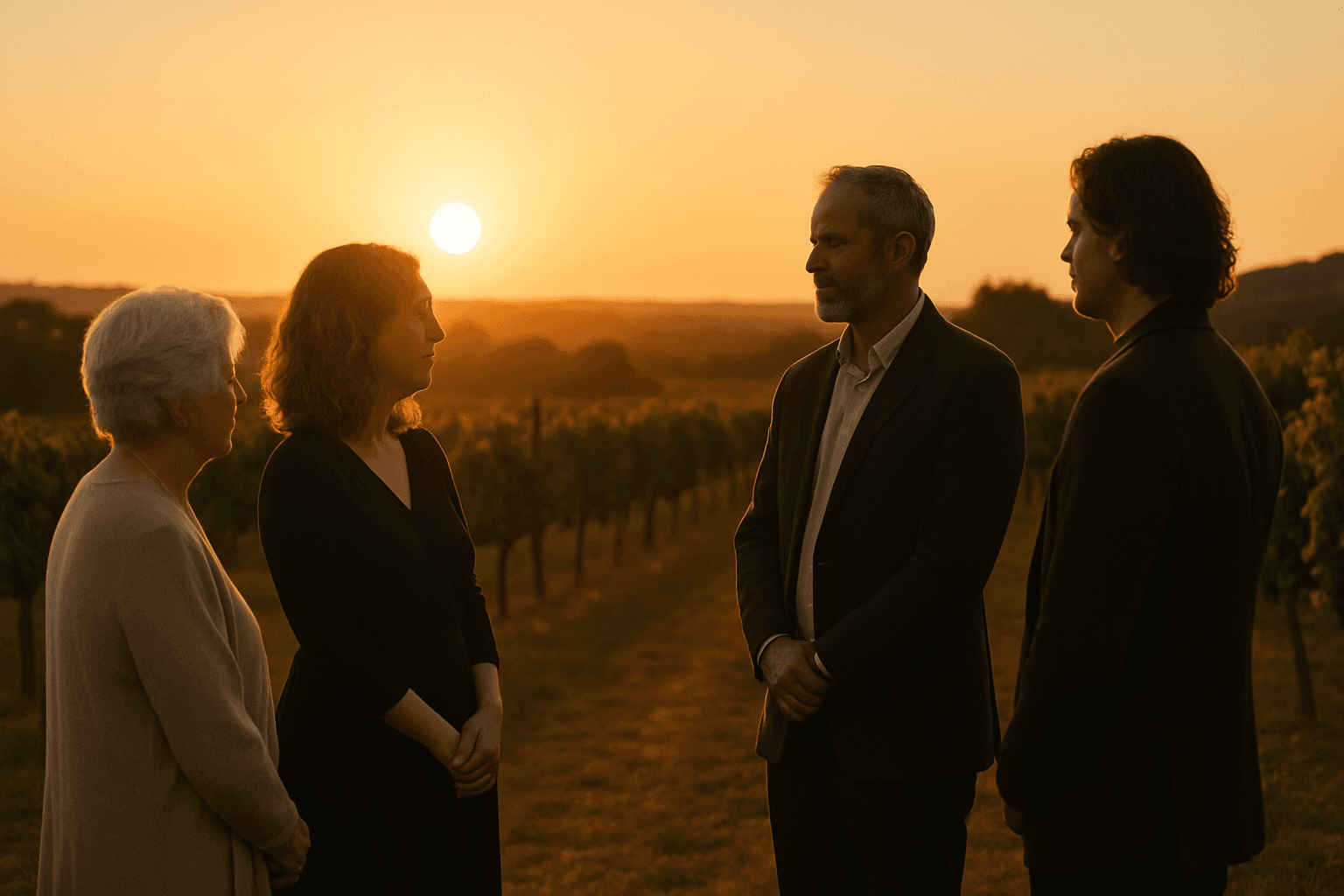
Why More Families Are Choosing Celebrations of Life Over Traditional Funerals
Why More Families Are Choosing Celebrations of Life Over Traditional Funerals
In recent y
Read More
Celebrations of Life in Wine Country: Beauty, Meaning and Setting
Celebrations of Life in Wine Country: Beauty, Meaning and Setting
There are few places mo
Read More