
Music of the Heartbeat: The Sound We Remember Most at the End of Life
Discover how sound — especially the heartbeat — shapes memory and meaning at the end of life. Explore the emotional and spiritual power of rhythm, silence, and presence in final moments.
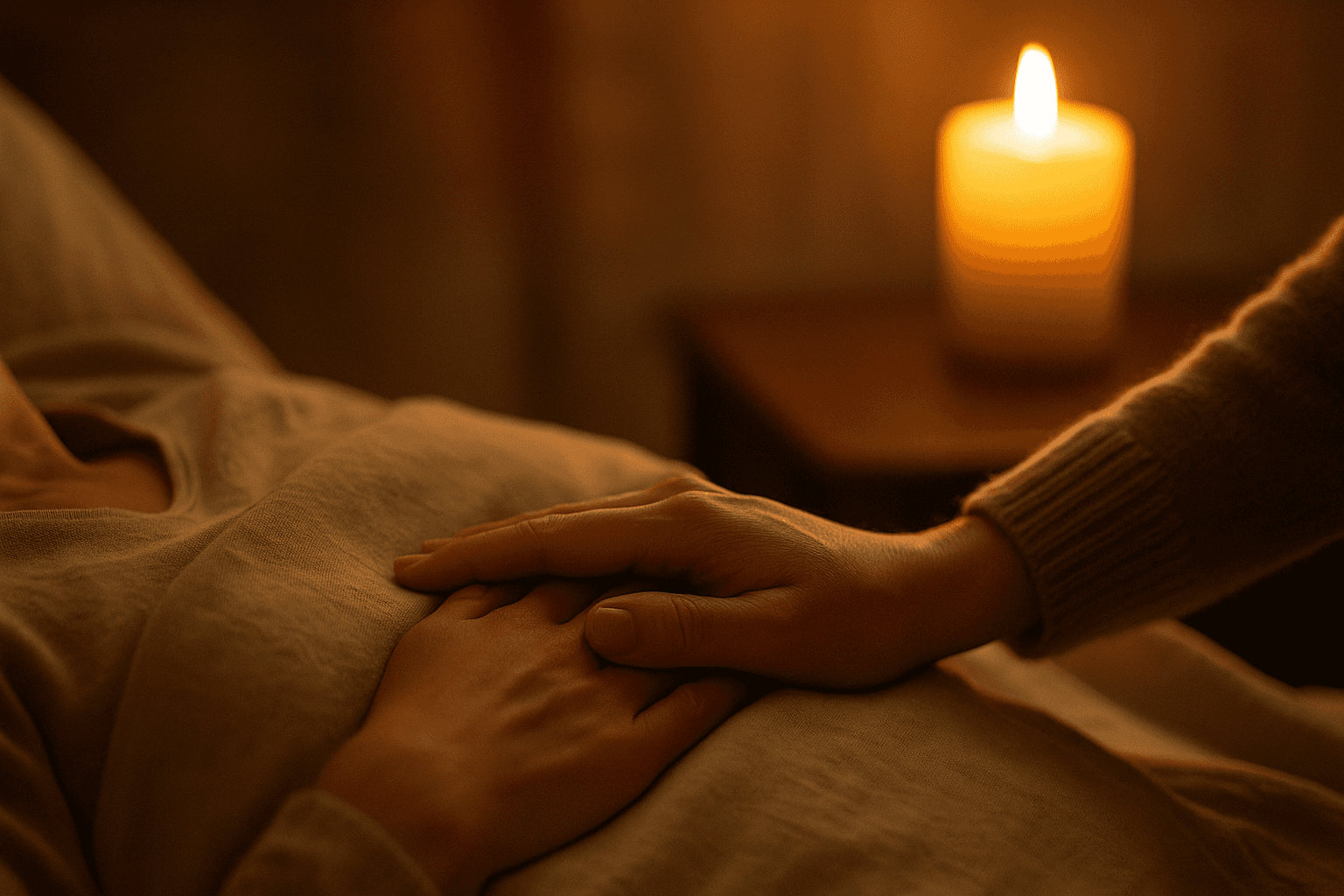
When Sound Becomes Silence
As life begins to quiet and the world narrows to its essentials, the most profound language left is sound — the rhythm of a breath, the murmur of a voice, the steady cadence of a heartbeat. Machines fade into stillness, conversations soften, and all that remains is the pulse that once carried love and energy through every moment of being.
The heartbeat becomes the final melody — a sound that transcends language and reminds us that love is physical as much as it is eternal. When that rhythm begins to slow, the silence that follows feels sacred, as though the world is pausing to listen.
The Heartbeat as the First and Final Song
From our very beginning, long before we see light or speak a word, the heartbeat is the first sound we know. It comforts us before birth and carries us through every season of life. It is rhythm and reassurance, our first lullaby and the pulse of belonging.
At the end of life, the heartbeat returns as a kind of closing refrain — soft, measured, and deeply human. Family members may rest their hands on a loved one’s chest, feeling that gentle rhythm one last time. It is a reminder that this body, this person, once held a lifetime of laughter, effort, and love. The final beats of the heart are not just endings; they are echoes of every connection ever shared.
The Power of Sound in Memory and Grief
Sound lingers in memory long after sight fades. It’s why a voice on a voicemail can bring tears years later, or a song can pull us instantly back to a single cherished afternoon. In times of loss, sound becomes one of the most vivid forms of remembrance.
Many people recall the small, intimate sounds of their loved ones — the pattern of their breathing, the way they hummed under their breath, the soft rhythm of their footsteps in a familiar hallway. Others hold close the sound of laughter shared during family meals, or even the quiet hum of life support machines that became a background rhythm in the days of goodbye.
In grief, these sounds can comfort and sting at once, but they remind us of connection — of presence, of life fully lived.
Music Therapy and the Preservation of the Heartbeat
Today, some families choose to preserve their loved one’s heartbeat through recordings made in hospice or medical settings. These brief recordings, when blended with music or kept on small devices, allow loved ones to hear that familiar rhythm again — a private piece of eternity.
Music therapists often use these recordings as part of a healing process, layering soft melodies or meaningful songs over the heartbeat. It creates a personal symphony of memory — a combination of science, art, and devotion. Listening to it can bring both release and peace, reminding families that love still vibrates through time and space.
The Healing Role of Music and Rhythm
Music has always been intertwined with the end of life. Its rhythm mirrors the heartbeat itself, offering both structure and comfort in moments of uncertainty. Soft guitar strings, piano chords, or the soothing hum of a hymn can transform a sterile room into a sanctuary.
Families often find that playing familiar music helps their loved one relax, breathe more easily, or even smile. Singing or humming softly at the bedside can also create a shared emotional rhythm, a way of saying goodbye through vibration and care. In these moments, music and heartbeat become one — two expressions of the same truth: love is still here.
The Beauty of Shared Silence
There comes a moment when even music gives way to stillness. In that silence, there is reverence — the awareness that a life has completed its song. The absence of sound after a final heartbeat can be one of the most profound human experiences. It is not emptiness; it is space filled with meaning.
In that quiet, we listen not with our ears but with our souls. We feel gratitude, awe, sorrow, and love all at once. Silence, too, is part of the music of life.
Continuing the Rhythm in Remembrance
Even after loss, rhythm remains. Families often find comfort in rituals that echo the heartbeat — lighting candles in slow rhythm, playing a loved one’s favorite music, or simply breathing in unison during moments of reflection. Some even create playlists that represent the tempo of their loved one’s life — songs that build, soften, and pause, just as a heart does.
These practices remind us that the heartbeat never truly stops. It continues within us — in how we love, how we listen, and how we move through the world with the same compassion we once received.
The Eternal Beat
At Honoring Lifetimes, we believe that sound, like love, does not end. The heartbeat is both the beginning and the completion of life’s rhythm — a reminder that connection transcends time, and silence is simply another form of presence.
Even when the heart ceases, its song continues in those who remember, who listen, and who love still. The beat may fade from the body, but it endures in the hearts of those left behind — a quiet, eternal music that plays wherever love remains.
You might also like

From Funerals to Celebrations: The Shift Toward Positivity in Grieving
From Funerals to Celebrations: The Shift Toward Positivity in Grieving
The way we approac
Read More
Why More Families Are Choosing Celebrations of Life Over Traditional Funerals
Why More Families Are Choosing Celebrations of Life Over Traditional Funerals
In recent y
Read More
Celebrations of Life in Wine Country: Beauty, Meaning and Setting
Celebrations of Life in Wine Country: Beauty, Meaning and Setting
There are few places mo
Read More