
The Day After the Funeral: What No One Talks About
Discover what really happens the day after the funeral — the quiet, emotional aftermath few discuss. Learn how to care for yourself, process grief, and find peace after the ceremony ends.
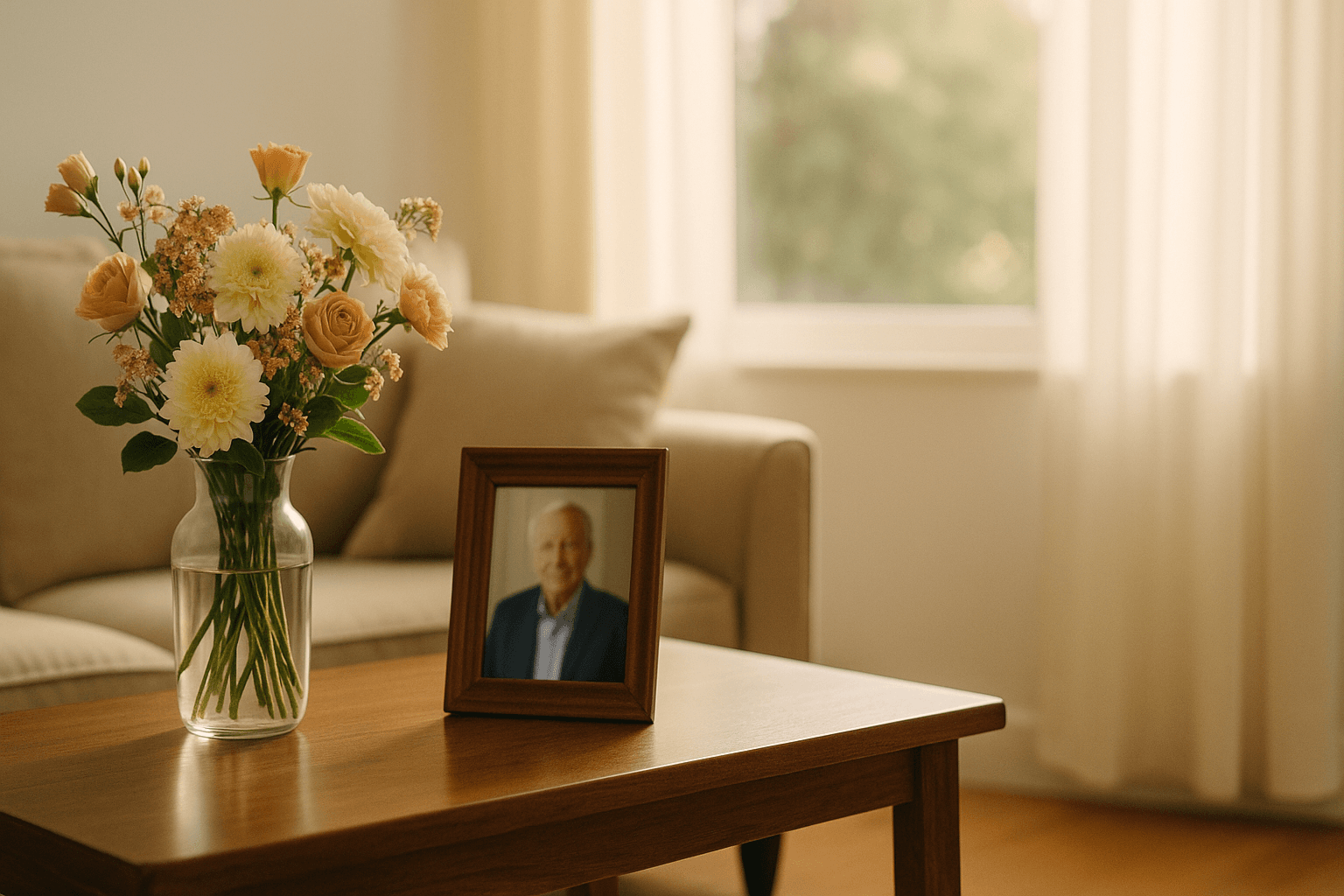
The Silence That Follows
The day after the funeral is one of the quietest — and hardest — days of all.
The crowd has gone home. The food that once filled the kitchen has grown cold. The cards have been opened and stacked neatly by the sink.
For the first time in days or weeks, there’s no schedule to follow, no phone calls to make, no clothes to choose for a service. The stillness settles in, and with it comes the realization that the ceremony is over — but the grief has only just begun.
This is the part few people talk about: the moment when the rituals end, and the real work of mourning begins.
Why the Day After Feels So Strange
In the rush of planning, gathering, and comforting others, most people move through the funeral in a haze of adrenaline and purpose.
There are things to do, people to greet, and a script to follow. But once that script ends, the structure vanishes.
The next morning can feel disorienting. You might wake up expecting a task — only to find there’s nothing left to organize. You might reach for your phone to call them, forgetting for a heartbeat that you can’t.
The world continues at its normal pace, but for you, time feels suspended.
It’s a shock not of loss, but of after loss — when all motion stops, and grief stands still.
The Emotional Whiplash of “Normal Life”
Friends and family often mean well when they say, “Try to rest now,” or “Things will get easier.” But the truth is, rest feels impossible when your heart is in fragments.
You may feel a mix of exhaustion and restlessness, loneliness and disbelief.
Some people clean obsessively; others can’t get out of bed. Some feel numb, while others cry at small, unexpected triggers — the sound of their favorite song, the way the light falls through the window.
This emotional swing is normal.
It’s the mind’s way of recalibrating after being flooded with stress and sorrow. You’ve been holding everything together — now the reality of loss begins to unfold, piece by piece.
What the World Doesn’t See
The day after the funeral, the phone rings less. The texts slow down. People assume you need “space,” not realizing that silence can feel unbearable.
It’s not that others don’t care — it’s that they move back into their lives while yours has been permanently altered.
This isn’t abandonment. It’s simply a gap — one that can feel enormous in the first days of private grief.
You might notice how empty the house feels, how every item seems to echo their absence.
Even laughter, when it returns for a brief moment, can feel strange — as if joy needs permission to exist again.
This is the unspoken truth of mourning: the hardest part often begins after everyone else has gone home.
Simple Ways to Move Through the Day After
You don’t need to “do” much the day after the funeral.
Grief is not a task — it’s an experience to be felt, not managed.
But there are small, gentle actions that can help:
Breathe before deciding anything. You don’t need to make big life choices yet.
Eat something simple. Even a small meal grounds your body when emotions are overwhelming.
Move your body gently. A short walk, standing in the sunlight, or sitting near an open window helps your nervous system settle.
Let the tears come — or not. Grief takes many forms. Silence is as valid as sobbing.
Accept help if offered. You don’t need to be strong today.
Healing doesn’t begin with action; it begins with permission — the permission to simply exist, without expectation.
Finding Meaning in the Quiet
As the days pass, the quiet can begin to change. What feels hollow at first can gradually become reflective, even sacred.
The home, once filled with people, becomes a place to remember, to talk aloud to them, to light a candle, or to sit with a photo in stillness.
You begin to notice that the love remains. It doesn’t fade with the ceremony. It lingers in the air, in the habits, in the memories that refuse to leave.
You start to see that this stillness isn’t emptiness — it’s space being made for healing.
You Are Still Surrounded by Love
At Honoring Lifetimes, we remind families that the day after the funeral is not the end of mourning — it’s the beginning of living with memory.
You’re not expected to have answers. You’re not expected to move on.
What matters is to allow yourself to feel, to pause, and to breathe.
Grief doesn’t have a schedule — it has seasons, and this is simply one of them.
“The ceremony ends, but love doesn’t. The world quiets, but your connection remains — steady, unseen, and still alive within you.”
You might also like
From Funerals to Celebrations: The Shift Toward Positivity in Grieving
From Funerals to Celebrations: The Shift Toward Positivity in Grieving
The way we approac
Read More
Why More Families Are Choosing Celebrations of Life Over Traditional Funerals
Why More Families Are Choosing Celebrations of Life Over Traditional Funerals
In recent y
Read More
Celebrations of Life in Wine Country: Beauty, Meaning and Setting
Celebrations of Life in Wine Country: Beauty, Meaning and Setting
There are few places mo
Read More