
When a Community Mourns: Organizing Public Memorials After a Tragedy
Learn how to plan a public memorial after a community tragedy. Discover meaningful ways to honor lives lost, support healing, and bring people together through remembrance.
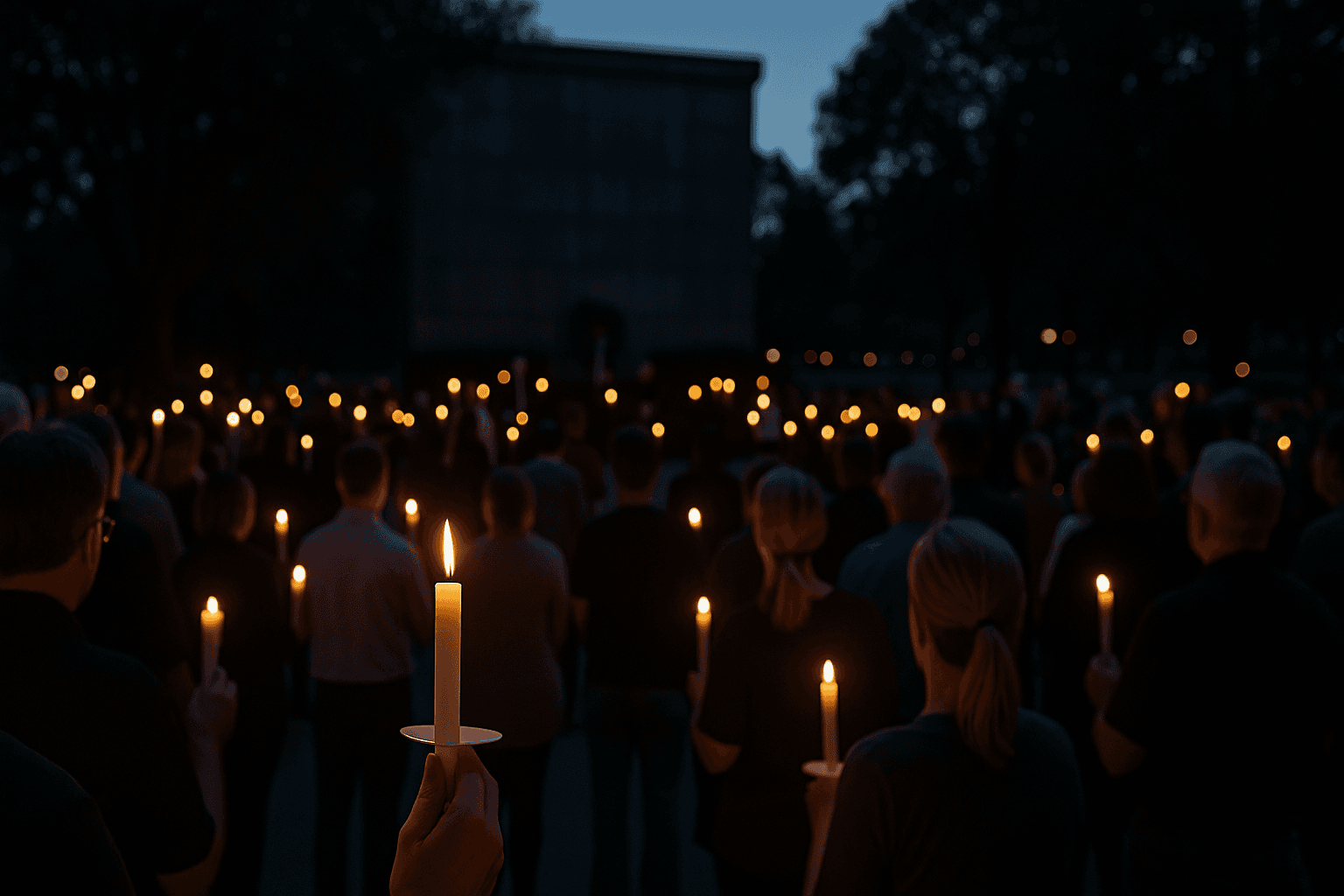
Grief That Belongs to Many
When tragedy strikes — a natural disaster, a local accident, a sudden act of violence — grief ripples beyond the families directly affected.
An entire community can feel the weight of loss. Neighbors, first responders, friends, and even strangers share the heartbreak.
In those moments, a public memorial becomes more than ceremony — it becomes a collective act of healing.
It’s where sorrow finds a voice, where silence finds unity, and where love is reaffirmed through togetherness.
Why Public Memorials Matter
Communal mourning allows people to express what words alone cannot.
When hearts gather in one place, grief transforms from isolation into empathy.
Public memorials:
Create shared space for healing — where individuals see they are not alone.
Acknowledge collective pain — especially important in tragedies that impact whole towns or schools.
Honor lives lost while restoring hope — offering a path toward unity and resilience.
Research on grief psychology shows that collective rituals help communities process trauma faster and more completely than private mourning alone.
First Steps: Leading With Compassion
When organizing a public memorial, start with intention — why the gathering matters.
Is it to honor lives lost? Support survivors? Express gratitude to helpers? Offer spiritual reflection?
Each purpose shapes the tone and design.
From there, assemble a planning team that includes:
Family or community representatives
Faith leaders or chaplains
Mental health or grief professionals
Local government or safety officials
Volunteers for setup and accessibility
The most meaningful memorials balance structure and sensitivity — ensuring logistics support emotion, not overshadow it.
Location and Setting
The venue should reflect the spirit of the community and the scale of the loss.
Common options include:
Parks or community gardens — symbolizing life and renewal.
Town squares or public plazas — accessible and symbolic of unity.
Places of worship or schools — when the loss connects to those communities.
Waterfronts or open fields — serene settings for reflection.
Be mindful of accessibility, parking, and safety. For outdoor services, consider microphones, seating, and weather preparation.
Tone and Structure: Blending Emotion with Order
A well-structured public memorial might include:
Opening reflection or prayer — acknowledging the shared pain.
Music or choir performance — to create a space for emotion.
Speakers — family members, officials, clergy, or friends.
Reading of names — the most powerful and sacred part of any public remembrance.
Moment of silence or candle lighting — offering a pause for unity.
Closing gesture — releasing doves, floating lanterns, or planting a memorial tree.
Remember: brevity and sincerity often carry more healing than length or formality.
Symbols That Unite
Certain visual or ritual symbols can help unify a large group emotionally:
Candles or lanterns for light in darkness.
Ribbons or flowers in a shared color theme.
Memory boards or message walls where attendees can write names or thoughts.
Live music such as a local choir or acoustic guitarist.
These elements turn the event from passive observation into active remembrance.
Supporting Emotional Safety
Public grief can reopen private pain. It’s essential to offer gentle, visible support.
Have grief counselors or chaplains available for attendees.
Provide a quiet tent or area for those who become overwhelmed.
Offer printed resources or hotline numbers for ongoing support.
Encourage everyone — from officials to volunteers — to lead with empathy, not protocol.
After the Gathering: Continuing the Healing
A community memorial should be a beginning, not an end.
Follow up with:
Thank-you messages to speakers, volunteers, and families.
Donation options for recovery or scholarship funds.
Annual remembrance days to keep memory alive.
Permanent markers like plaques, benches, or gardens.
When tragedy is met with compassion, a community’s heart grows stronger.
The Power of Togetherness
At Honoring Lifetimes, we believe that healing doesn’t happen in isolation — it happens in community.
Public memorials remind us that we belong to one another, especially in moments of loss.
They turn sorrow into solidarity, pain into purpose, and remembrance into resilience.
“When a community mourns together, hope quietly returns.”
You might also like
From Funerals to Celebrations: The Shift Toward Positivity in Grieving
From Funerals to Celebrations: The Shift Toward Positivity in Grieving
The way we approac
Read More
Why More Families Are Choosing Celebrations of Life Over Traditional Funerals
Why More Families Are Choosing Celebrations of Life Over Traditional Funerals
In recent y
Read More
Celebrations of Life in Wine Country: Beauty, Meaning and Setting
Celebrations of Life in Wine Country: Beauty, Meaning and Setting
There are few places mo
Read More