
When the Photographer Put Down the Camera: Capturing Life Without Images
Explore the meaning of being present in life’s tender moments. Learn how to capture memories without photos — through words, reflection, and presence during times of loss and love.

When the Lens Is Lowered, Life Comes Into Focus
In our photo-saturated world, we often feel compelled to capture everything — birthdays, sunsets, even goodbyes — through the lens of a camera.
But there are moments so sacred, so full of emotion, that no photograph could ever hold them.
These are the moments when the photographer — whether a professional, a family member, or simply someone reaching for their phone — gently puts the camera down.
Because sometimes, the truest picture is not one we see, but one we feel.
The Power of Presence Over Perfection
Grief and love are experiences that live in the body, not on film.
When we’re present — fully, emotionally, and without distraction — we connect on a level that transcends image or composition.
During farewells or celebrations of life, it’s tempting to want to capture every detail. But what we gain by stepping away from the camera is far more profound:
The sound of laughter mixing with tears.
The warmth of a hand in ours.
The stillness of a shared silence.
Presence is its own form of memory — and it leaves an imprint far deeper than pixels ever could.
When Photographs Can’t Contain the Moment
There are moments in loss and love that resist being photographed.
A hug between siblings after a eulogy. The first quiet meal without a parent. The still air after the final goodbye.
These are the moments that exist outside of framing — moments that demand to be felt, not documented.
Photography can be a gift, but it can also create distance.
Putting the camera down lets you experience what’s happening rather than trying to preserve it for later.
Because sometimes, later isn’t the point — now is.
Capturing Emotion Without a Camera
Just because there’s no image doesn’t mean the moment will fade. There are many ways to “capture” a feeling without a photo.
Ideas for Non-Visual Memory Keeping:
Write Reflections: Record what you felt, saw, and heard that day — sensations fade slower when written.
Collect Objects: A flower, a program, a ribbon — tangible reminders that hold meaning.
Audio Memories: Record voices, music, or even ambient sounds from a gathering.
Draw or Paint: Express emotions through color and shape rather than image.
Create a Word Collage: Gather meaningful quotes, lyrics, or phrases that reflect the day.
These forms of remembrance allow emotions to breathe — not freeze.
The Balance Between Memory and Mindfulness
Photos are anchors — they give us something to look back on.
But mindfulness invites us to look inward instead of backward — to feel the moment fully, knowing it is fleeting yet eternal in memory.
You might choose to:
Ask a trusted person to take photos, so you can stay present.
Set aside “no camera” moments during a service or gathering.
Focus on sensory memory — the scent of flowers, the rhythm of a song, the warmth in the room.
These are the details that memory holds most tightly.
When the Photographer Is Part of the Story
For photographers — professional or not — putting the camera down can feel like letting go of control.
But in doing so, you may discover a new kind of artistry: one rooted in empathy, not composition.
At memorials or family gatherings, your presence may become the most meaningful image of all — a living reflection of shared humanity.
As one might say, “You can’t take the photo when you’re in the hug — but being in the hug is the moment that matters.”
The Memory You Carry Within
Memories formed through presence become deeply personal — private galleries that live in the heart.
You can revisit them anytime by closing your eyes:
The way sunlight fell through the trees that day.
The sound of your loved one’s favorite song.
The feeling of laughter through tears.
These are emotional photographs — images etched in the soul, unshared but unforgettable.
Honoring Without the Lens
If your loved one was passionate about photography, honor that spirit by celebrating the intention behind their art — to see beauty, emotion, and truth.
Ways to Honor Their Vision:
Display some of their favorite photos at the memorial.
Invite guests to write captions or reflections beside the images.
Hold a “memory exhibit” — not of pictures taken, but of moments felt.
Create a gallery of written memories: each story a snapshot in words.
Through this, you carry on their legacy of observation and appreciation — with or without the camera.
Seeing With the Heart
At Honoring Lifetimes, we believe the most meaningful memories are made when we’re fully there — heart, soul, and all.
Cameras can capture faces, but only presence can capture essence.
When you put the lens down, you open the heart up — to love, to grief, and to the quiet truth that memory is not made by sight alone, but by feeling deeply in the moment.
“Sometimes the picture is taken not by the camera, but by the heart.”
You might also like
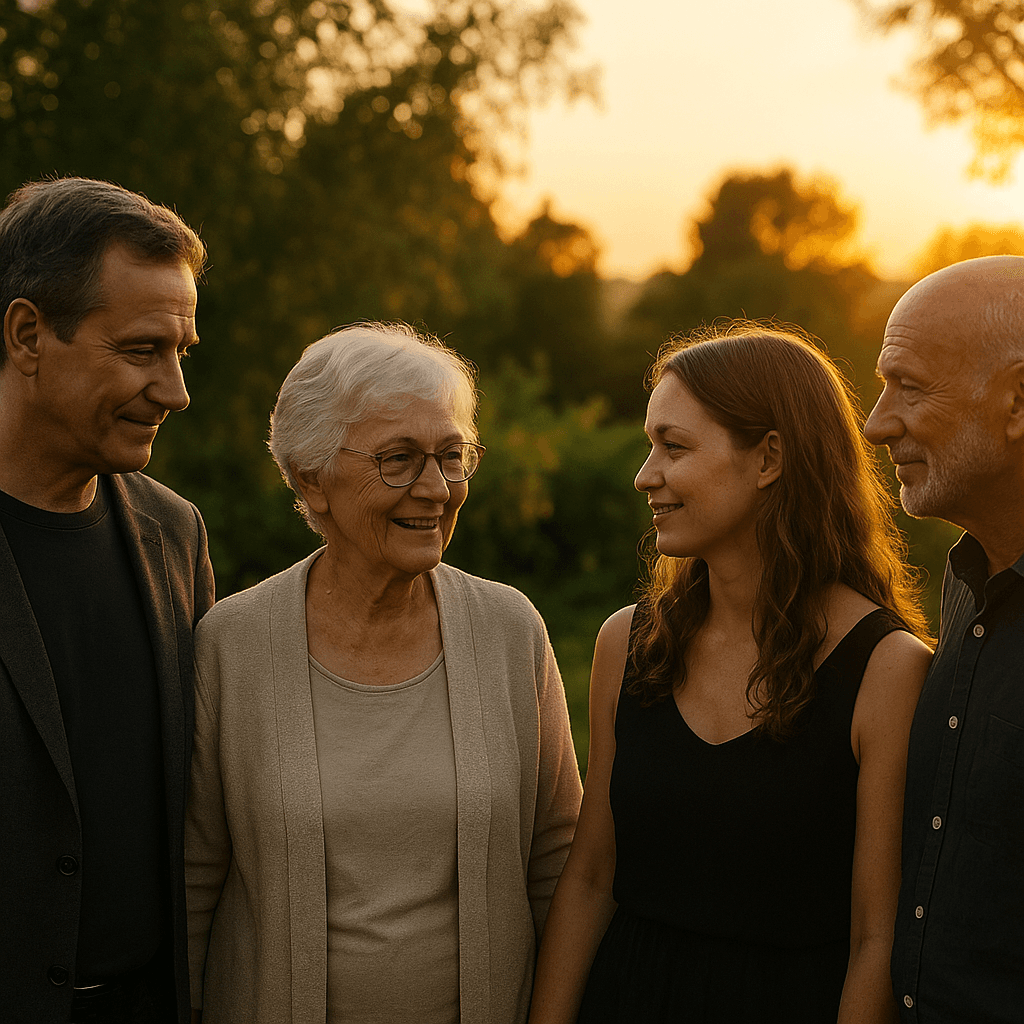
From Funerals to Celebrations: The Shift Toward Positivity in Grieving
From Funerals to Celebrations: The Shift Toward Positivity in Grieving
The way we approac
Read More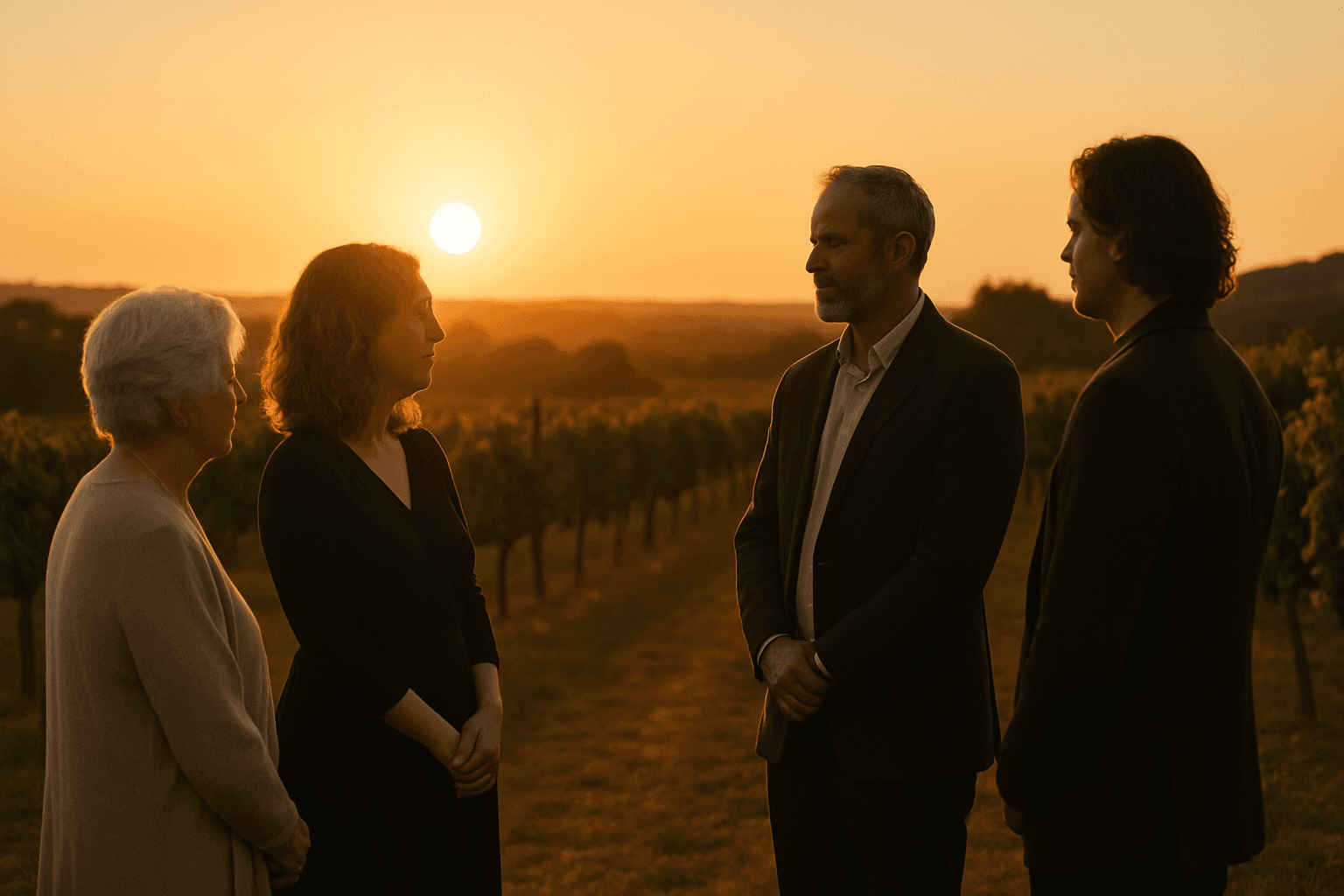
Why More Families Are Choosing Celebrations of Life Over Traditional Funerals
Why More Families Are Choosing Celebrations of Life Over Traditional Funerals
In recent y
Read More
Celebrations of Life in Wine Country: Beauty, Meaning and Setting
Celebrations of Life in Wine Country: Beauty, Meaning and Setting
There are few places mo
Read More